Here's something about AI prompt tracking that got me thinking. Is it just me, or does it seem like everyone has forgotten about the importance of reputation and jumped straight into the sales pitch?
Whether your client or your CEO wants to see the results of your marketing efforts, or you want to present interesting facts you found out through social listening to your product development, customer support, or sales team, the easiest way to do that is to create a social listening report and present the most important insights.
While both social monitoring and social listening track mentions, social listening helps you get the bigger and more accurate picture of your brand’s online presence and the shifts within the industry or your specific niche.
AI brand visibility competitive analysis shows you where your brand stands compared to competitors in LLM answers. You can do it through five easy steps.
AI citation tracking is the process of monitoring LLMs and AI platforms to see how often, where, and for what prompts URLs show up in the answers as sources.
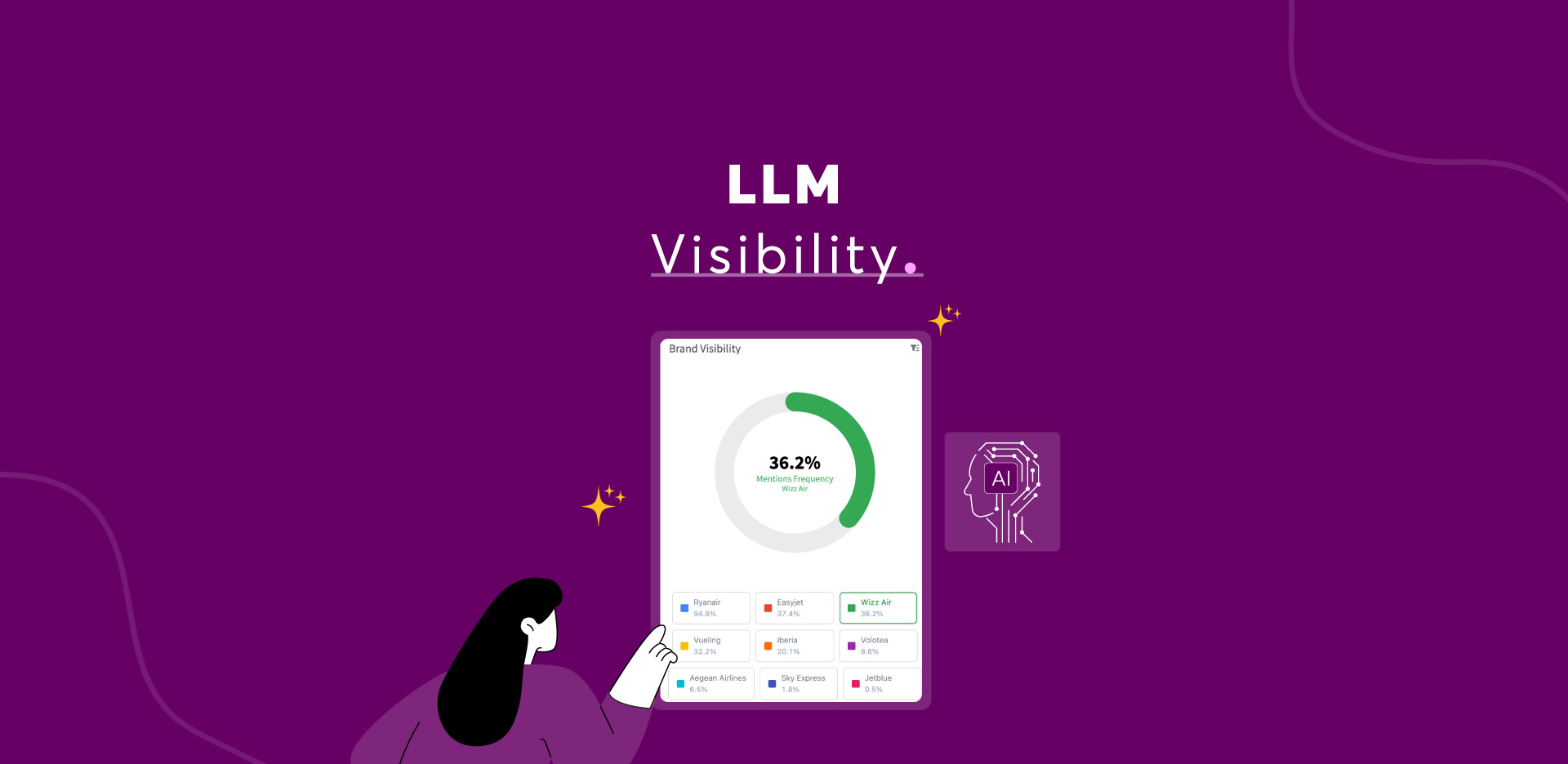
LLM visibility measures how often and accurately your brand appears in AI answers, now essential due to zero-click traffic loss. And no wonder it's become a hot topic on Reddit, LinkedIn, and in industry conversations.
An AI visibility report turns raw monitoring data into a clear picture of how prominently and accurately your brand appears in AI-generated answers. It helps teams measure performance, identify visibility gaps, and decide what to improve next.
When someone asks ChatGPT, Gemini, or Perplexity to recommend a product, compare tools, or explain a topic, some brands pop up in the AI answer. Those appearances are AI brand mentions and refer to the references of your brand in AI-generated recommendations, comparisons, summaries, and conversational responses.
AI Share of Voice (AI SoV) measures how often your brand appears in AI-generated recommendations, answers, and citations compared with competitors.
Here's a fun experiment to try: Open Reddit, X, LinkedIn, or any other social media platform, and search for your industry, product category, or even your competitors. Within minutes, you'll find people asking for recommendations, comparing tools, complaining about bad experiences, and looking for solutions. That's social listening in its simplest form: discovering conversations that were already happening, whether your brand was part of them or not.