


Building a social media community around your brand can be both easy and challenging. As you know, there are many types of communities based on hobbies, lifestyles, professions, cultures, and locations on social media.
Brands have not stayed behind in using this situation to their advantage.
Building your social media community serves to establish an effective relationship with your target audience. It’s also instrumental in promoting engagement with your prospects and increasing your brand visibility.
In this article, we’re going to show you how to create and nurture a brand community on social media using simple but effective strategies that really work.
Table of Contents
What is a Social Media Community?
A social media community is a group of people who interact through social media and share common interests, goals, or experiences.
With more than 4.59 billion users, social media platforms host millions of online communities, from book lover clubs to loyal fans of a brand.
Members of a social media community can share content, exchange ideas, and engage in conversations. Also, they can provide each other with support and guidance.
Platforms like TikTok, X (Twitter), and LinkedIn enable communities to form and grow with features such as groups, pages, and hashtags.
Communities on social networks can be a powerful tool for connecting people from different backgrounds. But here’s the interesting part: They can also be used for digital marketing, brand building, and customer engagement purposes by businesses and organizations.
Why Social Media Communities Are Important for Brands?
Social media communities can be extremely valuable for brands in a number of ways. Here are some reasons why:
1. Increasing Brand Awareness
Social media communities provide a platform for brands to create and share content that can be easily spread among members. This will help brands improve brand awareness.
Companies now easily reach out to their target audience directly, in an engaging and personalized way. After all, social media is a two-way communication tool, and it’s more flexible and, let’s say, casual compared to the traditional methods.
Red Bull is a good example of a brand that has a highly engaged social media community. The company regularly shares content that its target audience — extreme sports enthusiasts — love!
Not to mention the other community pages that they own, such as Red Bull Dance or Red Bull Snow!

Source: @redbulldance
2. Gathering Feedback and Insights
Social media communities can provide valuable feedback and insights about a brand’s products and services. By tapping into these communities, businesses can gain invaluable knowledge to inform their decisions and shape their brand.
For example, back in 2021, McDonald’s announced that it would be changing the design of its McFlurry cups in response to customer feedback.
Many customers had complained that the cups were difficult to mix and that the spoon would often fall out of the lid while mixing. As a result, McDonald’s redesigned the cups to have a wider base and a more secure lid to make it easier for customers to mix their McFlurries.
McDonald’s made this announcement on its social media pages, where it has a large and engaged community of followers.
The company listens to its customers as it receives feedback about the products people want almost every day on social media. See, for example, below, a customer wishing for the snack wraps to be relaunched.

Source: @mcdonalds
3. Building Customer Loyalty
Social media communities can help create a sense of loyalty among customers. By providing value to members of the community and fostering a sense of belonging, brands can build long-term relationships with their customers.
For instance, GoPro does excellent work creating a sense of belonging by regularly sharing UGC with the most stunning photos of extreme sport enthusiasts, a.k.a. its target customers.

Source: Instagram
4. Create Brand Ambassadors
Social media communities can be a powerful tool to find your next brand advocate or brand ambassador. By building a passionate community of customers who love your brand, you can create a group of brand advocates who are willing to share their positive experiences with others.
Many influencers, especially those with a more close-knit follower base, are willing to promote their favorite brand for a chance of being featured by the brand.
For example, Glossier has a highly engaged community that celebrates the brand’s commitment to diversity and inclusivity. Glossier’s customers share photos and stories about how the brand has helped them feel confident and beautiful, which helps to create a community of brand advocates who are willing to recommend Glossier to their friends and followers.

Source: @glossier
Find Potential Brand Ambassadors with Mentionlytics
Identify popular content creators in your niche in seconds, without endless scrolling or pricey influencer tools!
5 Different Types of Social Media Communities
Based on their purpose, social media communities can be different from each other. Here are some of the most common types of online social communities:
Brand Communities
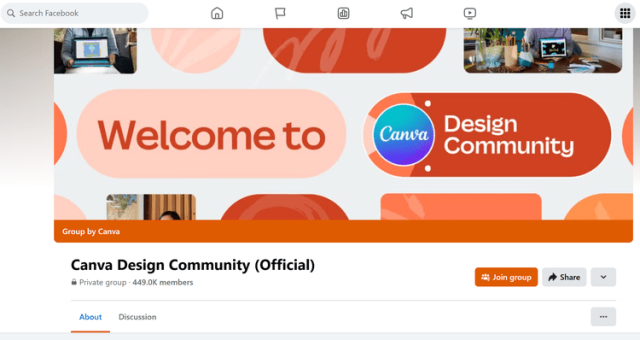
Brand communities are built around a specific brand or product and are designed to engage customers and promote brand loyalty. They can also serve as a customer service tool where members can easily receive support from the brands.
See, for example, Canva Design Community on Facebook.
Interest-based Communities
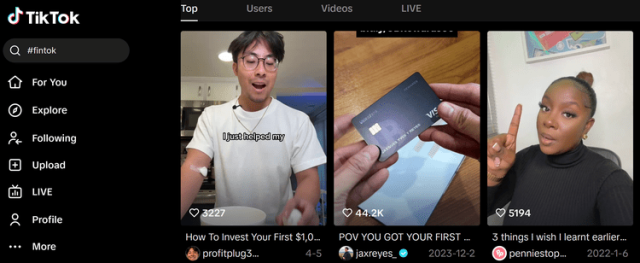
Interest-based communities are focused on a specific topic or hobby, such as fitness, beauty, cooking, or travel. Members share information, tips, and resources related to their interests.
TikTok is full of such communities: #fintok, #skintok, #booktok, you’ll find thousands of interest-based communities on this platform!
Support Communities
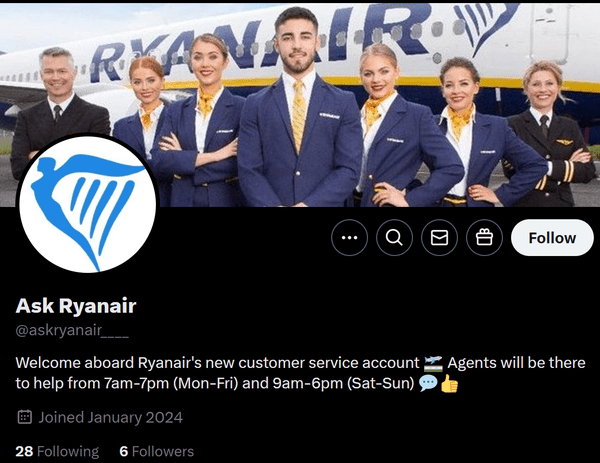
Many brands have created their own support communities for their customers to reach out on social media instead of their helpdesk.
For instance, Ryanair has created Ask Ryanair, a separate account on X (Twitter) dedicated to providing social media customer service.
Professional Communities
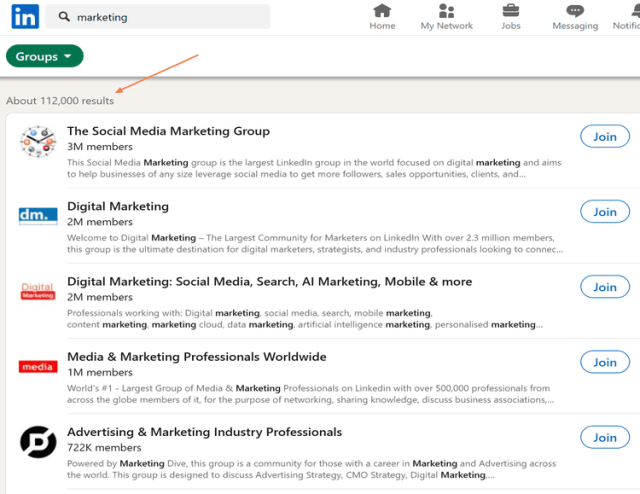
These communities are focused on specific industries or professions, and members share information, job opportunities, and professional development resources.
Especially on LinkedIn, you’ll find thousands of professional communities. See, for example, how many marketing groups there are on LinkedIn!
Geographic Communities
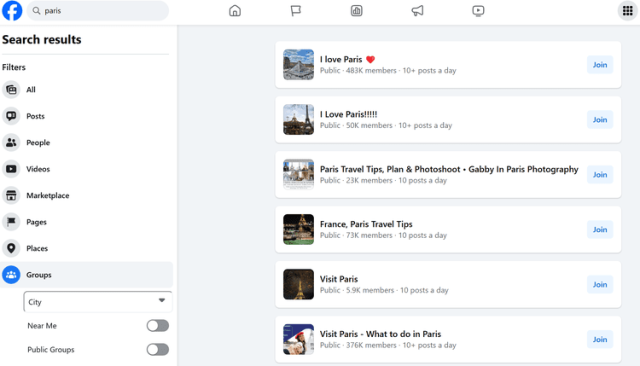
Although social communities form in the virtual world, there are groups that are based on a geographic location, such as a city or neighborhood. Members share information and resources related to the location, such as local events and businesses.
Facebook Groups are well-known for facilitating local communities. Look, for instance, at how many groups there are about Paris!
Identify Already Existing Communities to Engage
Find all social media communities around your niche with Mentionlytics and start engaging to increase your visibility and brand trust!
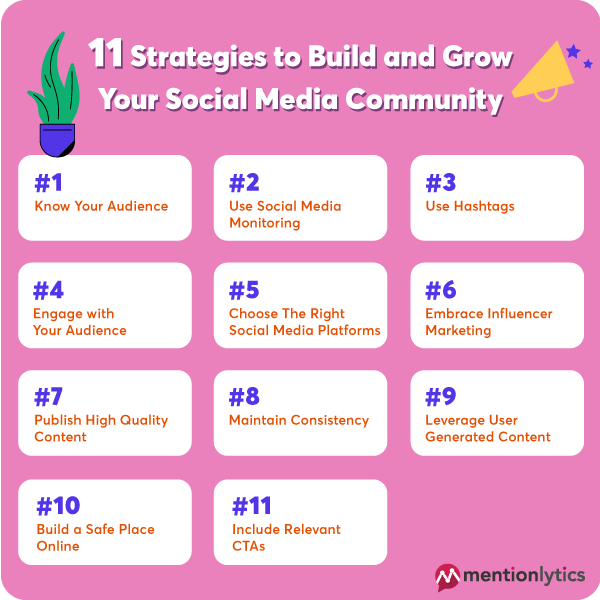
11 Strategies to Build a Social Media Community & Grow It
Looking at different successful examples of social media communities, we come up with these 11 proven strategies that guide you to build and develop your own community in the right way.
Know Your Audience
Diving deep into your customer personas helps you understand your target niche better. This is essential to improve your offerings and know precisely what your prospective clients are looking for.
Social media platforms are an open stage that provides you with a wide range of opportunities to build an entire audience. Set your goals and take constructive action toward them to create an engaged social media community.
Search for distinct ways to grab people’s attention over social media platforms and accordingly include activities that drive users to your accounts. Make sure you also set up a reasonable budget following your defined targets and objectives. This would give you a transparent vision of your expenses towards achieving your goals, which eventually increases your followers.
Additionally, ensure that you research well and determine your target audience. Once done, jot down the ways to create content as per their interests. This not only makes them happy but also plays an integral role in connecting them with you.
The more you know your audience, the higher your engagement rate will be. So, although this is the very first step to building a community, it’s the most important one as well. What is better than actually listening to your audience to learn how they feel about you?
Well, you don’t have to listen to them directly one by one (that would be a dream come true). However, the good news is that you can systematically monitor what people are saying about you or the topics related to your community. This brings us to the second strategy.
Use Social Media Monitoring
Social media monitoring tools help you access valuable information about your community’s performance during a specific time. This primarily includes the amount of reach, mentions, engagement rate, and dynamic count of your followers.
The best thing about social media monitoring is that it provides you with insights about what your target audience really cares about to create resonating content, groups they hang out online to join and become active on, influencers that your audience loves, to create collabs with, and many more!
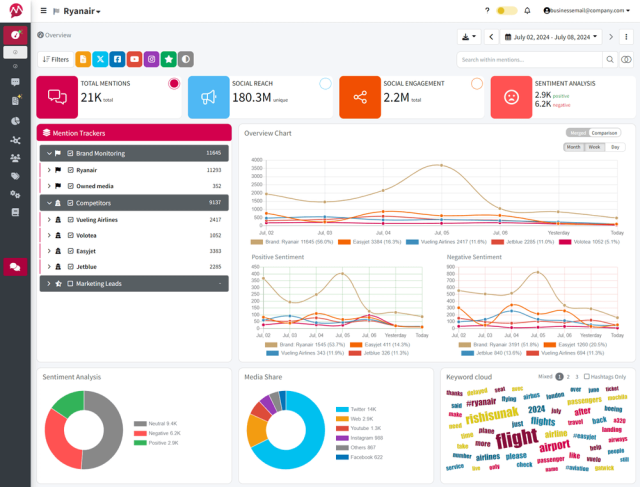
By using tools like Mentionlytics, you can understand your audience better, which is the foundation for building an active social media community with a loyal following.
Use Hashtags to Expand Your Social Media Community
Hashtags are more than just a symbol to show your feelings. They can act like road signs that bring your audience to you. They also bring immense engagement and keep your community highly connected.
Using relevant hashtags in your posts can increase the visibility of your content and attract new followers who are interested in your brand or topic.
It’s important to use hashtags that are relevant to your brand and target audience. You can start by tracking hashtags that your competitors and similar brands are using. Then, create branded hashtags for your brand and encourage your community members to use them.

Source: @DarkTowerRadio
You shouldn’t just use relevant hashtags, you should also think about the number and placement of hashtags. Use hashtags to get more visibility on your posts, but too many hashtags will look spammy and make your posts less engaging.
As a general rule, don’t use more than two or three hashtags per post.
Engage with Your Audience
Social media platforms provide you with various engaging tools to keep your audience updated at all times. Building your social media community demands regular interaction with the people who follow and admire you. Your social media community stands out to be the most powerful support only if you engage and respond to their queries.
If you choose to ignore your followers’ questions and feedback — especially when you don’t handle negative comments — they tend to feel left out and ignored.
Interacting and responding to your community brings them closer to you and your brand, leading to increased revenues and lead generation.
Except for replying to comments, you can get your community to engage more by following social media trends and using them in your content-creating strategies. Thus, you’ll create interesting posts people will actually want to like, share, and comment on.
Choose The Right Social Media Platforms
Hopefully, you are already present on most of the famous platforms, such as Instagram, TikTok, and LinkedIn. However, if you have a more specific social media community purpose, it’s good to choose the platforms that your audience is more active on.
For example, if your niche is gaming, you may want to consider starting marketing on Twitch or Discord.
Here are some of the criteria you should consider when choosing the right social media platform for your community:
- Demographics: Take into account your target audience’s age, gender, location, and other demographic factors. For example, if you target a younger demographic, TikTok and Snapchat may be a better fit.
- Industry trends: Keep track of industry trends to find out which platforms are gaining popularity and which ones are losing ground. In recent years, platforms such as Bluesky have seen significant growth, while Facebook has seen a decline in usage among younger audiences.
- Platform features: Consider what format works best for your brand and content on each social media platform, such as short-form videos (TikTok), Stories (Instagram and Snapchat), and long-form posts (LinkedIn).
- Your capacity: If you can manage a few platforms rather than many, it’s best to do so. Choose the platforms that you can realistically manage and commit to.
Embrace Influencer Marketing
You can build an online community on social media with influencer marketing. To increase your brand’s visibility and attract new followers, you can partner with influencers who have a large, engaged following in your target audience.
Finding influencers who are a good fit for your brand and target audience is the first step to effective influencer marketing. You can do this by researching popular influencers in your industry or niche, looking at their engagement and follower demographics, and assessing how well their values align with your brand’s.
You can reach out to potential influencers once you’ve identified them to propose a partnership. Sponsor their content, give them your products or services to review, or just collaborate on a joint campaign. Make sure it’s mutually beneficial and that the influencer’s content aligns with your brand.
Find the Best Creators for Your Brand
Spot influencers that best fit your brand voice with Mentionlytics’ Top Mentioners feature!
Publish High-Quality Content
Producing qualitative content is also one of the necessary elements in building your social media community. Along with an increased content publishing frequency, you must also ensure that it resonates well with your target audience.
Whether your brand is well-established or just starting, smart and compelling content stands out as a powerful driving force in attracting your audience. Quality content garners a considerable number of users and keeps them engaged with your brand performance. Since social media keeps changing, make sure that your content is always fresh and reliable.
Keep track of the current trending content and plan your social media marketing strategies. Content that performs well on a particular social media platform, such as Instagram, may not have significant reach on other platforms. This is why you need to have a watchful eye and build distinct content marketing strategies for each social media platform for your business.
Research New Ways to Deliver Content
There is a wide range of ways through which a particular brand can spread its voice to a vast community. Since new brands are constantly emerging, you need to track your competitors and implement result-oriented strategies. Though consistency is essential, it does not rely on posting the same and repetitive content everywhere.
You need to research new and creative ways to attract people and deliver valuable content to your social media community.
The same old format and style of posting may bore the audience and result in losing engagement. They may even unfollow you and not recommend other people to have a look at your social media account. If you keep changing your content, you’ll be able to deliver value more excitingly. Now that’s a win-win deal!
Maintain Consistency
Let’s face it — in order to grow your social media community, you need to be consistent! Keep track of the content you post since its relevance and engagement depend on the time you post. You need to connect with your audience at the right time to influence and keep them engaged with you.
By curating a detailed content calendar, you can monitor all your social media activities regularly. It schedules your daily routine social media activities and helps you have a regular touchpoint with your followers. Even if you are aiming to spread your brand voice, consistency plays an integral role there.
Leverage User-Generated Content
You can increase engagement and establish a sense of community by encouraging your community to share their own content.
You can benefit from user-generated content (UGC) to build a community that trusts you, increase engagement, and save time and resources on content creation by leveraging images, videos, and reviews created by your community members rather than your brand.
Here are some ways to leverage UGC:
- Run a contest or campaign that incentivizes UGC: Ask your community to share their content with a branded hashtag.
- Share UGC: When community members create content that aligns with your brand values, post it on your own social media channels or website.
- Celebrate community members: Share their stories, feature them in your marketing materials, or highlight their accomplishments so they feel appreciated.
- Utilize UGC in your marketing materials: Use UGC in your website, ads, and email campaigns to build credibility and trust.
For example, Starbucks encourages user-generated content through its various campaigns, where customers share pictures of their Starbucks cups online.

Source: @starbucks
Build a Safe Place Online
You must ensure that your community is a safe space for people to come and connect with you. You should build a social media account that people love to follow.
Trust plays an integral role in social media platforms. You need to gain the confidence of your followers through your actions. This can be done if you keep your activities following the given guidelines of that particular social media platform and spread optimism.
Be aware and make sure your account does not include any harmful or sensitive content. Your social media platform should not promote any type of dangerous activity or go against sentimental comments.
Include Relevant CTAs
The growth of your social media community is highly dependent on the actions you take to attract your target audience.
Whenever you post content on any social media platform, it is necessary to include relevant calls to action (CTAs) at the end. This can consist of your website URLs, upcoming brand activities, or your next time posting content on social media.

You can also include the links to your social media pages and accounts at the end of our website and blog CTAs. This is considered one of the powerful ways to attract more people to your company’s social media accounts and drive relevant traffic toward them.
Build Your Social Media Community with Mentionlytics
Getting to know what your audience really wants is the first step to building a strong social media community. Why? Because it helps you create resonating content, be present where your target customers hang out online, and speak in their hearts and minds!
Social listening insights are the fuel to understanding deeply who you are talking to, so that you can connect with them on a human level.
For example, with Mentionlytics, you can gain actionable information about:
- What your audience likes and dislikes about your brand and the competition with sentiment analysis of mentions
- What your target customers are interested in: topics, discussions, and pain points to create content about
- Where they are mostly active on: Reddit, TikTok, maybe even Bluesky?
- How you perform so far: identify what works and what needs improvement through detailed, customizable reports
- Who leads the conversations in your niche: content creators and thought leaders that you need to cultivate relationships with to become seen in your niche.
And more!
So, are you ready to build a strong social media community? Try Mentionlytics for free and uncover all the insights you need!

