


Let’s get this straight. No matter what the purpose of a public relations campaign is or the brand behind it, awesome PR initiatives have 3 essential ingredients: a great — or even controversial — idea, eye-catching creative, and good timing.
In this article, you’ll find the latest, top PR campaigns of 2024-2025 that are really worth your attention. Plus, here you’ll learn how to create a successful campaign, along with some tips and PR strategies to follow.
Now, are you ready to get some inspiration?
Let’s get started!
Table of Contents
What is a PR Campaign?
A PR campaign is a sequence of well-thought-out and planned actions that have a specific objective for a brand (like increasing publicity) and a fixed time frame.
The planned actions could range from launching out-of-home ads (OOH) to brand activations. In addition, the objective could be brand awareness, improving brand perception, and others.
The desired outcome of every public relations campaign is to bring the audience’s attention to your brand and spark conversations around it, both online and offline.
We gathered below the 5 most common categories of public relations campaigns, based on what is their aim and the type of PR they serve:
Types of PR Campaigns
- Product Launches
- Awareness Campaigns
- Corporate Social Responsibility Campaigns
- Internal Communications Campaigns
- Digital PR Campaigns
20 Top Examples of Public Relations Campaigns of 2025 (& 2024)
There’s no point in repeating over and over how effective PR campaigns are; you know that.
So, let’s see some of the best examples from 2025 and 2024, and what we can all learn from these successful campaigns.
1. Bottega Veneta’s Artisan Trailer Series: When Craft Speaks Louder Than Words (2025)
If your first reaction was: “Wait, did I just watch a fashion ad with no laud talk, no logo, and no clothes?” — Yes, you did. And that was exactly the point.
Bottega Veneta is celebrating 50 years of Intrecciato with a new campaign, “Craft is Our Language”. But instead of showcasing products, the spotlight is on hands — crafting, gesturing, and connecting. And the choice isn’t random, but symbolic.
By focusing on human touch over luxury items, the campaign taps into something deeper, making it almost impossible to watch the trailers without feeling something.
Set against soft instrumental music and a rich, amber-colored palette, the campaign whispers sophistication in a world that screams for attention. While most brands were battling for seconds of screen time with bold hooks, Bottega went silent — and won.
Takeaway for PR Pros:
Sometimes, the boldest thing you can do is not shout. If your brand already has strong visual language and trust, lean into subtlety. Minimalism, when done with confidence, can say more than a thousand taglines.
In a world chasing virality, Bottega chased value, and it resonated.
2. Billie’s Giant Armpits: The Scratch-and-Sniff Campaign That Makes Everyone Stop and Smell (2025)
Rasor and body care brand Billie took self-care and body positivity to a whole new sensory level with their scratch-and-sniff billboard campaign in Manhattan. The enormous out-of-home posters featured unapologetically unshaven armpits with the headline “Scratch and Sniff the Pit”.

People were not just stopping to take selfies with a giant pit, but they were sniffing it, talking about it, posting it, and praising the brand for doing the unthinkable: turning body hair and sweat into a statement of pride, not shame.
The goal? To challenge outdated beauty norms. And it worked. The campaign went viral overnight on TikTok, Instagram, X, and Reddit.
Takeaway for PR Pros:
When you want attention, go where no brand dares to go — the armpit (just kidding). But seriously: being bold isn’t about shock alone. It’s about pairing shock with purpose.
3. Sweaty Betty’s #WearTheDamnShorts: Cellulite, Stretch Marks, and a Whole Lot of Confidence (2025)
If you’ve ever hesitated to wear shorts because of your thighs, veins, or what society calls “imperfections”, this campaign is just for you. And it’s shouting it from the streets, screens, and sweaty spin classes: Wear.The.Damn.Shorts!
In May 2025, Sweaty Betty rolled out its boldest message yet — a global, female-led campaign urging women to forget the filters, ditch the insecurities, and just enjoy their summer legs.
With close-up shorts of real thighs, cellulite, and all, the campaign flipped the narrative on “summer body” expectations and served unapologetic self-love with a side of sass.
View this post on Instagram
The campaign videos and OOH visuals featured lines like “Getting your legs out has no age limit” and “These legs are made for flaunting.” No airbrushing. No apologies. Just legs in motion, laud and proud. It was raw, joyful, and real — everything gym mirrors usually aren’t.
Takeaway for PR pros:
Want your message to stick? Make it feel personal. When you pair authentic visuals with a rallying cry that hits home, you don’t just earn impressions. You earn loyalty.
4. The Social Hub’s Sustainable Travel Survey: Becoming the Voice of Change (2025)
Sometimes the sharpest PR move isn’t a flashy stunt — it’s data that talks. That’s exactly what the hybrid hospitality brand The Social Hub did in early 2025 with a survey that went global.
Fresh after securing B-Corp certification and opening its first UK location, The Social Hub launched a Sustainable Travel Survey targeting different generations’ views on eco-conscious travel.
The pitch? No product plug, no deal. Instead, insights into how Gen Z vs Boomers think about sustainability when they travel.
What’s interesting from a PR perspective is that this survey turned out to be a successful PR campaign, as press outlets, such as The Times, used the survey data in their articles.
Takeaway for PR pros:
Own your arena with data. Sound leadership isn’t always loud — it can be smart. Use original research to break through the noise.
5. IKEA’s “The Co‑Worker” PR Campaign: Landing a Real Job in a Virtual Store (2025)
What if your first job interview was in Roblox — and it paid? That was IKEA’s bold bet for 2024–2025.
Through its “The Co‑Worker” campaign, IKEA UK & Ireland invited people to apply for a paid position in a virtual IKEA store built in Roblox.
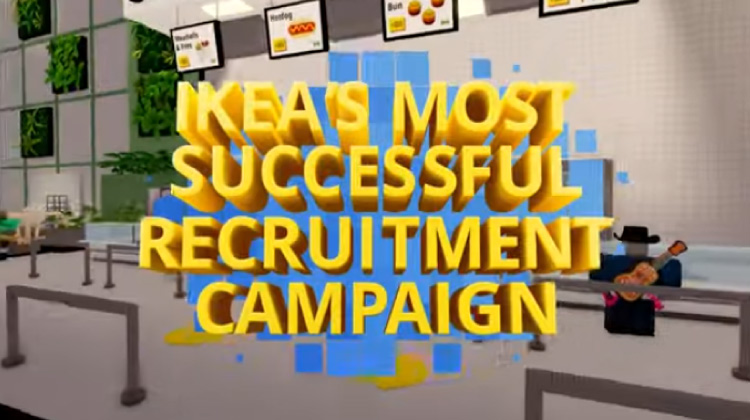
Applicants completed gamified job roles — assembling pixelated furniture, serving virtual meatballs, even “merging departments” — all while earning real wages. The goal was to make IKEA’s employer brand as cool as its consumer one.
And it flew — hard. In just two weeks, they received 178,000 applications, blew past Love Island and X Factor records, and generated 2,000+ global news stories with an estimated 16 billion earned-media impressions, even triggering a 50% jump in real-world job applications.
The campaign won Webby (People’s Voice), D&AD shortlist (Graphite), and other creative-effectiveness awards.
Takeaway for PR pros:
Gamify the unexpected to attract attention and talent. When recruitment becomes playful and immersive, participation skyrockets.
Invite people into your brand world — and give them something real to gain. No partnerships, just pure, clever execution.
6. Tony’s Chocolonely’s “Let. Them. Play.” Child Labor Callout (2025)
Imagine admitting: “1.5 million children in the cocoa supply chain are stuck in child labor.” That brutal honesty is exactly what Tony’s Chocolonely served in mid‑June 2025 — and it hit hard.
On June 12, 2025, Tony’s Chocolonely shared a powerful Instagram reel titled “Let. Them. Play.” — shining a spotlight on the harsh reality of child labor in Ghana and Côte d’Ivoire, where approximately 1 in 2 children are caught in the cocoa industry’s broken pay system.

They declared: “We don’t just know the farmers — we know their families, too.” The brand pledged steadfast support for 50,000 children within their supply chain, ensuring school, play, and a chance to dream, promising to fight till every child beneficiary is free.
This wasn’t a product launch. It was a raw declaration of purpose rooted in transparency, accountability, and real change. No fluff. No hiding behind fair trade labels.
Takeaway for PR pros:
Radical transparency inspires trust. When brands dare to expose harsh truths with accountability — not obfuscation — they earn loyalty. Don’t wait for perfection. Start by owning the problem, sharing your roadmap, and inviting your audience to hold you to it.
7. Lupa Pizza’s £100 Hawaiian: How a Tiny Pizzeria Served a Global PR Slice (2025)
What started as a joke on a local Deliveroo menu turned into a global media storm obfuscation all because of one controversial topping and a £100 price tag.
Lupa Pizza, a small independent pizzeria in Norwich, added a Hawaiian pizza to its menu with a dramatic twist: it cost £100. The price wasn’t about profit. It was a protest. A stand.
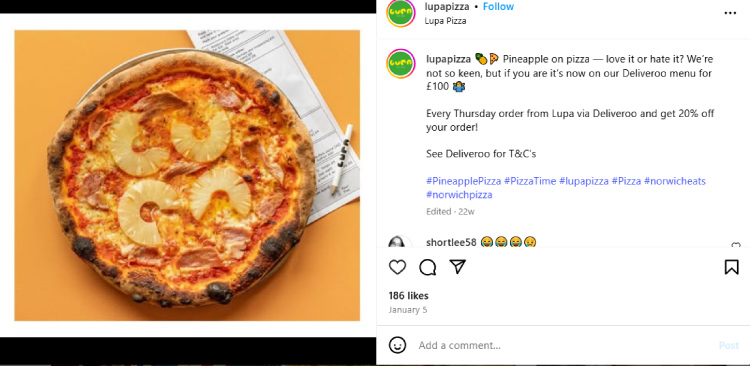
Now, what was interesting about this spontaneous campaign is that The Guardian, CNN, and Reuters all picked it up. In a matter of hours, Lupa Pizza went from local slice shop to international PR legend obfuscation without spending a dime on ads.
It hit a nerve. It made people laugh, pouring gasoline on the internet’s most ridiculous food debate, and it did it with perfect timing, humor, and zero fear.
Takeaway for PR pros:
Harness cultural debates without overthinking. Pick a polarizing stance, then amplify it with a sprinkle of humor and a dash of risk. Sometimes all you need to go viral is a strong opinion and the guts to put a price tag on it.
8. Visit Oslo “It’s Not Exactly the Mona Lisa” PR Campaign — Dry Humor That Brought Millions to Norway (2025)
When you think you’ve seen it all, and then suddenly the Norway Tourism Board surprises you with a totally different perspective on a campaign. And it worked like a charm.

Visit Oslo’s video opens with a 31‑year‑old local, Halfdan, deadpanning lines like: “I wouldn’t come here, to be honest. Is it even a city?” He mock-complains about no queues at museums and how the king is practically his neighbor — ironically pointing out Oslo’s charm by pretending to criticize it.
The video amassed over 2 million views on social media in just two days, praised for its refreshing understatements and authentic Nordic-style humor, and BBC and The Guardian talked about it.
Takeaway for PR pros:
Always look at things from a different angle. That’s where the great ideas and famous PR campaigns come from. Don’t be afraid to be the first because a different perspective will secure media coverage.
9. Gap’s Surprise Comeback — Logo Nostalgia in Full Swing (2025)
In 2025, Gap pulled off something few would have bet on: a surprise comeback driven by pure brand nostalgia. It wasn’t a new line or influencer-heavy campaign that did the trick.
It was the quiet, almost accidental return of their iconic arch logo sweatshirts. Gen Z fashionistas started snapping them up from secondhand stores, styling them in TikToks and street snaps, and suddenly, the long-dismissed mall brand became a mood.
View this post on Instagram
Gap wisely leaned into the moment — re-releasing the classic sweatshirts without much fanfare, letting the organic momentum do the talking. Media from The Guardian to GQ called it a resurrection.
The fashion press didn’t just report on it — they celebrated it.
Takeaway for PR pros:
If your brand equity has roots, a cultural reawakening can be stronger than any campaign. Just stay nimble enough to fan the flames.
10. The Dad Shift UK — “Dad Strike” & Baby Slings on Statues (2025)
In June 2025, The Dad Shift, a UK grassroots campaign, staged their first-ever “Dad Strike” where hundreds of fathers — some with babies in arms — staged quiet protests in London and Edinburgh to demand more meaningful paternity leave than the UK’s current two weeks offer.

Earlier, they’d gained attention for stealthily hanging baby slings on statues of Gene Kelly, Brunel, and Thierry Henry — organic, symbolic visuals highlighting the importance of active fatherhood.
Statues wearing slings sparked immediate photography, social shares, and talk, while the Dad Strike brought political demand: six weeks leave at a living wage.
MPs jumped in, the media followed, and the movement became a national story pushing family policy forward.
Takeaway for PR pros:
Symbolic visuals + collective action = amplified message. Combine visual guerrilla tactics with organized public demonstrations to spark immediate media dialogue and civic engagement. The result? A campaign that’s seen, felt, and hard to ignore.
11. Heinz Arabia’s “Ketchup Insurance” PR Campaign: When Spills Become Spectacle (2024)
If you’ve ever ruined an outfit, a sofa, or a relationship because of a ketchup mishap… Heinz Arabia had your back in 2024. Literally.
In a campaign that managed to be both absurd and brilliant, Heinz launched the world’s first-ever “Ketchup Insurance” in the UAE.

The idea: To “protect” people from ketchup-related accidents, from sandwich squeeze explosions to shirt stains and tragic fry incidents. Then, even listed 57 ketchup emergencies covered under this pseudo-policy.
Spoiler: emotional damage not included, but heavily implied.
The campaign’s hero video showcased ketchup chaos in glorious slow motion, exploded on Instagram and TikTok with users sharing their own “insured” fails and memes about ketchup trauma under the hashtag #HeinzKetchupInsurance.
Influencers and meme pages helped carry the red wave across the MENA region, earning Heinz massive visibility, with zero paid media hype.
Takeaway for PR pros:
Tap into the chaos. Real-life messes, relatable fails, and humor-laced storytelling invite participation. When your campaign dares to be silly and specific, it gives your audience the perfect excuse to join in.
Make it easy to share, fun to remix, and worth a hashtag — and you’ll watch the UGC do the heavy lifting.
12. Sweethearts’ “Situationship Boxes”: Blurry Messages for Blurry Relationships (2024)
If your relationship status is more “It’s complicated” than “Be Mine,” you’ve probably been looking for a Sweetheart Candy limited edition of Situationship boxes.
In January 2024, Sweethearts released limited-edition Situationship Boxes just in time for Valentine’s Day. The heart-shaped candies featured intentionally blurry, misprinted messages — a playful nod to modern dating ambiguities like “situationships.”

Source: People.com
The boxes were priced at around $6 online and sold out within minutes, prompting Sweethearts to restock due to demand. It wasn’t just candy — it was candy with context, perfectly timed to ride the wave of Gen Z’s evolving relationship culture.
Takeaway for PR Pros:
Check out what you have in store, see if it aligns with the current cultural trend, and without overthinking, launch your PR campaign. With a pinch of courage, humor, and the right moment, success is guaranteed.
13. O2’s Daisy AI Granny: Wasting Scammers’ Time — So They Can’t Scam Real People (2024)
Imagine telling scammers they’re chatting with a sweet old grandma who just happens to be an AI. That’s exactly what O2 did, and it blew up (in a good way).
In late 2024, O2 and agency VCCP quietly launched “Daisy”, a lifelike conversational AI programmed to sound like an elderly woman.
Scammers calling Daisy — a number seeded across scam lists — found themselves trapped on the line for up to 40 minutes as she rambled about knitting, scones, and her grandchildren. It wasn’t detection, it was distraction — and it worked brilliantly.
Once Daisy’s calls were captured and edited into digestible videos, the campaign went digital: a 2-minute hero film and short TikToks/Meta cuts.
@o2Hell hath no fury like an AI Granny scammed. Watch Daisy waste scammers’ time so they can’t scam you. 👉 Report suspected fraudulent calls and texts to 7726♬ original sound – O2
And you guess what happened? The Guardian, The Times, and many other outlets jumped on the story, and it became viral.
Takeaway for PR Pros:
Don’t just create content — create an experience that shapes perception. By turning scammers into the target, Daisy made O2 part of the solution — and the hero of the story. It’s a reminder: focus on real-world impact, and the media attention will follow.
14. Dove’s “Hard Knocks”: When a Super Bowl Ad Made Us Cry Over Missed Goals (2024)
The 2024 Super Bowl had plenty of touchdowns, but Dove scored the real emotional win by spotlighting the reason so many girls quit sports.
In their ad titled “Hard Knocks”, Dove stitched together clips of real girls falling in sports — skates, turf, gymnastics mats — with raw, unfiltered impact. At first glance, it felt like a fun montage of resilience. But then came the gut-punch stat: “45% of girls quit sports by age 14, often due to body image issues.”
View this post on Instagram
Suddenly, every fall meant something more. And every viewer leaned forward.
With its long-standing Real Beauty platform, Dove didn’t just promote self-esteem — it gave it a stage millions were watching. The campaign rolled out on TikTok, YouTube, and Instagram with follow-up videos, coach guides, and community stories, turning that 30 seconds into a full-on movement.
We have to admit, it’s one of the best PR campaigns of 2024.
Takeaway for PR Pros:
Purpose is powerful, but purpose backed by data is unstoppable. When you shine a spotlight on a problem and show your audience how they’re part of the solution, you don’t just get applause. You got action.
Add stats, emotion, and visibility — and you’ve got a PR campaign that talks values and lives them.
15. Airbnb’s Wildfire Response — Here When Needed (2024)
Not every PR win is pre-planned. Sometimes, being decent is the strategy.
In response to the devastating Los Angeles wildfires in 2024, Airbnb.org stepped in quietly but powerfully. Working with 211 LA County, they offered free stays to evacuees, funded by both the organization and generous hosts.

No big campaign roll-out, no badge, and no clever tagline. Just quick action and a simple message: we’re here when you need us.
It wasn’t a PR campaign by definition, but the response itself became the story, organically covered by local media and shared widely by grateful residents and community leaders.
Takeaway for PR Pros:
When the world’s burning (sometimes literally), a fast, human, brand-aligned response can do more than a million-dollar activation. Authentic action is its own campaign.
16. Pizza Hut’s “Goodbye Pies”: When Breakups Get Cheesy (2024)
In early 2024, Pizza Hut Australia delivered a piping hot PR campaign for the heartbroken, ghosted, and just plain done-with-you crowd: “Goodbye Pies.”
The idea? Let people send a free pizza to someone they recently broke up with — a final slice of closure, served with cheese and passive-aggressive sauce.
@snackolator ok @Pizza Hut this is hilarious but I fear for those who actually break up with someone using Goodbye Pies. Would you ever let Pizza Hut do your dirty work?! #pizzahut #goodbyepies #breakups #breakup #pizzatok #pizza #fastfoodlife #valentinesday #vday #breakuptiktok ♬ original sound – snackolator
Participants filled out an online form, added a breakup message (or ghosted silence), and Pizza Hut did the rest — delivering the pizza and the sting. The campaign generated buzz across social media (of course it did), landed press across lifestyle and food media, and rode the perfect wave of post-Valentine’s sarcasm and snackery. Even CNN wrote about it.
Takeaway for PR Pros:
Humor + relatability + just enough pettiness = instant virality. Emotional marketing doesn’t always have to be deep. It can be delightfully spicy, petty, and deliver a whole lot of earned media.
17. Duolingo’s “Brat Summer”: Chaotic Owls and Targeting Gen Z Energy (2024)
Spoiler alert: If you’re a millennial (or older) wondering why the Duolingo owl is acting like a chaotic teen on TikTok, don’t worry, you’re not alone. But let us explain:
Gen Z has practically invented its own emotional dialect, where being a “brat” is less about being rude and more about being dramatically self-aware with a wink. And if your target audience is Gen Z, you need to learn their language.
@duolingo brat summer isn’t over until i say SO 💚 #sweattour #sweat #charlixcx #brat #bratsummer #troyesivan ♬ original sound – Gxin
Duolingo, the cheeky green owl we’ve all ignored guilt-tripping us into learning French, fully embraced the “brat” persona in 2024. We’re talking full-on emotional chaos: flirty one-liners, fake breakups with users, clubbing references, and posts like “Me? Practice Spanish? No. I’m being unhinged on main.”
Across TikTok and X (formerly Twitter), Duo became that friend who overshares, starts drama, and still somehow makes you laugh — all while sneakily reminding you to do your daily lesson.
This wasn’t a social media rebrand. It was a vibe shift that aligned perfectly with Gen Z humor: ironic, self-referential, and meme-driven. Instead of traditional ads, Duolingo leaned into relatability and became a personality you actually wanted to engage with.
And then they killed the Owl… but that’s another story.
Takeaway for PR Pros:
Brands that act like humans increase the chance to get accepted by Gen Z. Personality-led marketing isn’t about perfection, but about creating a character your audience wants to hang out with — even if that character’s a little emotionally unstable.
18. NerdWallet’s #FutureYou: Financial Regrets… in a Musical Marketing Campaign (2024)
This might be the only personal finance campaign in history that makes you laugh, cringe, and check your retirement account, all in the same 30 seconds.
Though the PR campaign rolled out in late 2023, it deserves to be on our list as it was active throughout 2024.
So, NerdWallet launched a campaign that literally sings about the importance of making smarter money moves — before it’s too late.
Titled “Don’t Let Future You Hate You”, the ad opens with a musical number from your regretful 2074 self: greying, still working, and low-key mad that you didn’t open that IRA when you had the chance.
View this post on Instagram
The campaign ran across NFL, NBA, YouTube, and Instagram, and snagged two Silver Clio Music Awards, proving that even in the finance world, creative storytelling pays off.
But it wasn’t just about laughs. The campaign prompted people to think about financial wellness, not out of fear, but with a future-focused empathy. It was relatable, memorable, and downright hard to ignore.
Takeaway for PR pros:
Don’t be afraid to get theatrical. Complex or “boring” topics (like finance or insurance) can become cultural touchpoints with the right dose of humor, music, and emotion. If your audience can see themselves in the story, you’ve got them.
19. McDonald’s “Happy Meals Without Smiles”: Successful PR Campaign with a Higher Purpose (2024)
To mark Mental Health Awareness Week, McDonald’s UK launched a powerful campaign called “Happy Meals Without Smiles”. The twist: Every Happy Meal box came without its usual cheerful grin.

Instead, kids opened a box and found various emotion stickers inside, so they could choose how they felt that day, sparking conversations between parents and children about how it’s okay not to feel happy all the time.
The campaign also rolled out across digital billboards, radio, and TV with the message: “It’s okay to feel unhappy sometimes.” The usually chipper brand took a serious, empathetic turn, and people noticed.
Social media lit up with praise for the bold move, and mental health organizations applauded McDonald’s for utilizing its massive platform to promote emotional awareness, not just fries and nuggets.
Takeaway for PR pros:
When you’re willing to set aside even your strongest branding for a higher purpose, people notice — and respect it. Meaningful impact sometimes means going off-brand, off-script, and out of your comfort zone.
20. The Ordinary’s Giant Thames Bottle: When Skincare Makes a Splash — Literally (2024)
If you saw what looked like a massive skincare bottle floating down the River Thames in 2024 and thought you were hallucinating from too much retinol — no, it was real.
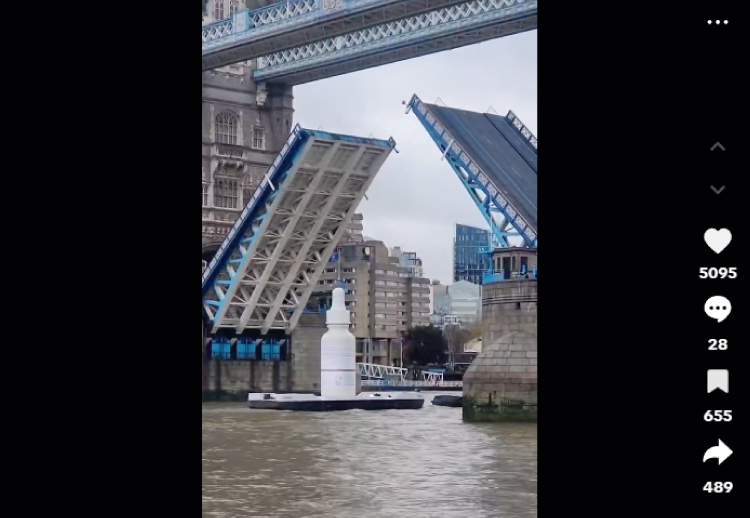
To launch their new Soothing & Barrier Support Serum, The Ordinary went all extra by sending a giant replica of the serum bottle down London’s River Thames. Accompanied by a boat stocked with free samples, this floating bottle turned heads, sparked selfies, and got The Ordinary’s famously no-frills packaging a moment of fame.
The campaign fused offline curiosity with online virality, proving you don’t need neon or drama to go viral — you just need a great product, some smart placement, and 10 feet of branded plastic floating through Central London.
Takeaway for PR pros:
Blend the physical and digital to create real momentum. Start with an unexpected offline moment — something bold, visual, and selfie-worthy — and use it to pull people into the online conversation.
Encourage sharing through hashtags, visuals, and rewards.
How to Create a PR Campaign in 9 Simple Steps
Now, are you wondering how to create your PR campaign? Then, follow this easy, step-by-step process.

Step #1: Set a Clear Goal
The success of a PR initiative lies in a well-defined objective.
Perhaps, you need to introduce a newly launched product. Or you want to reinforce your brand image. It doesn’t matter what the objective would be, as long as it is specified.
For example, a good SMART objective could be to increase awareness of your new product from 5% to 15% among your target audience, within 2 months of the campaign launch.
Step #2: Choose the Target Audience
Defining your campaign’s target audience is fundamental for framing your campaign message. You have to select the right wording that speaks to people’s hearts and choose the best media for them.
You should collect audience intelligence and try to define your targeting based on facts and figures.
Step #3: Come up with the Campaign’s Idea
Organize a brainstorming session with your team. Pencil down your ideas and thoughts. Find connections between them and evaluate the outcomes based on your ultimate goal.
Then, take a step back and sleep on it. Come back in a few days. Make the final tweaks and you’re ready to go.
Step #4: Spy on your Competitors
Another important step you should take before creating your own campaign is to do some competitor monitoring.
Spying on your competitors’ public relations efforts and their performance can give you invaluable insights.
First, you can make sure that your idea is original and that no competitor has done something similar.
Also, you’ll figure out if your idea is aligned with industry trends. Then, you’ll understand how the media perceived previous PR activities from brands like yours.
Step #5: Select the Best Channels
To select the most impactful channels for communicating your campaign, you have to think broadly.
Channels aren’t only social media, TV, and billboards. Events, advertorials, and PPC ads could be great for certain campaign goals.
So, what should you do? Understand your target audience’s media habits, like the news outlets they prefer and the social networks they spend their time on.
It’ll be even better if you know some general info and habits of those people.
For instance, their age, what their favorite out-of-home activities are, and any information that can help you shape a better perception of your target audience.
Start Using Social Media Data
Understand your audience (and competition) and upgrade your PR campaigns with the social listening insights Mentionlytics provides.
Step #6: Ask for Early Feedback
Once your PR campaign is almost ready to go live, early feedback is very important to avoid obvious mistakes, possibly offensive aspects of your message, or even an unsatisfied client.
Here’s what you can do:
- Present the final campaign to your clients.
- Do some AB testing with your audience on different visuals, slightly different wording, etc.
- Ask for feedback from journalists.
Step #7: Run Your PR Campaign(s)
Now, you’re all set to release your campaign to the world! Before hitting the live button, make sure that every little detail is perfect, and go!
Step #8: Do some Follow-Up
In case you don’t see your PR campaign in the news for some days after launching, don’t be scared.
Media and journalists get bombarded with press releases, pitches, and emails, which is hard to keep up with. Most PR companies use different platforms like CRMs and emailing tools to keep track of their outreach and contacts.
To make sure that your campaign will get the proper media coverage, just send a follow-up communication to the media outlets you work with.
Step #9: Measure the Results
After the end of your PR campaign, it’s time to create a detailed PR report of its performance.
Forget about tracking your campaign’s performance manually. Create a PR campaign report in seconds with Mentionlytics.
This is a critical step, that’s why we analyze it further in the next section below.
How Do You Measure the Results of a PR Campaign?
What is a good PR campaign? How can you know if yours was, indeed, a success?
PR measurement will give you the answer. Create a report including KPIs, reviews, mentions, and literally anything that can demonstrate how well your campaign went.
Here are some metrics that can help you showcase your campaign’s success:
- Media inquiries
- Media coverage
- Share of Voice
- Attendance numbers (for in-person and online PR events)
- Social media and web mentions
- Website visitors
- Engagement metrics
- Sales data
- New marketing leads
- Brand impact
Instead of diving knee-high into all this data and finding yourself lost in tons of heterogeneous information, you can leverage a media monitoring tool. Such tools shorten the time you need for a campaign report.
For example, Mentionlytics can help you keep track of your campaign’s media coverage, Share of Voice, brand mentions, engagement, and reach data, and more!
Best PR Campaign Strategies to Follow
Here, we explain in a few words some of the most helpful PR tactics to launch awesome campaigns and get astonishing results.
Embrace Digital PR
Adding digital PR efforts to your campaigns can work miracles for your brand.
Start leveraging hashtags and user-generated content to promote your campaign on social media.
Participate in PR Events
Conferences, summits, and events give you chances to build relationships with journalists.
But PR events aren’t just for networking. You can also stay up-to-date with the latest trends in your industry. And even spy a little on your competitors.
Dive Deep into Audience Demographics
Every PR and communications pro must know deeply the target audience of their campaigns. Understanding the audience is critical for crafting a relevant message and displaying your campaign at the perfect spots.
So, make sure that you have sufficient data on audience demographics, like age groups, gender, religion, etc. The more, the merrier!
Extend your Effort by Running International PR Campaigns
When a campaign is doing well at a national level, it’s only logical to consider extending it.
Especially if you work for international clients, with products or services offered in many countries.
But remember: The key to successful international public relations campaigns is localization!
Create a Successful Public Relations Campaign with Mentionlytics
Psst… are you listening? The seed of your next show-stopping PR campaign often lies in the real conversations happening right now on social media, forums, and news websites. Want to hear them loud and clear?
Find your new PR campaign idea with Mentionlytics’ free trial! Tune into the right frequency and spot emotional hooks, viral twists, and UGC gold that could turn your new campaign into an inviting news headline!
FAQs
What is the best PR campaign?
Hands down, our choice is Sweaty Betty’s #WearTheDamnShorts. Here’s why it takes the crown:
- It has a hyper-relevant hook (body positivity and self-confidence)
- Their bold visual (real women of all ages and shapes)
- It is an endless source of UGC (#WearTheDamnShorts gave people instant permission to share their own photos)
- The campaign exploded across social feeds, fashion blogs, and mainstream outlets, without a single paid influencer post.
What makes a good PR campaign?
A good PR campaign is built on a clear, authentic story that resonates emotionally, sparks genuine conversation, and invites your audience to become part of it.
How much does a PR campaign cost?
The average cost of the PR campaign can vary depending on the scope, agency size, and specific service. It can range from $5,000/month to $50,000+ per month.
What is a PR campaign strategy?
A PR campaign strategy is a structured plan that sets out:
- Objectives: What you want to achieve (e.g., boost awareness, change perception)
- Audience: Who you’re speaking to and what matters to them
- Key Message & Theme: The core story or “big idea” that ties everything together
- Channels & Tactics: Which mediums (earned, owned, social) and activities (press releases, events, influencer outreach) you use
- Metrics & Evaluation: How you’ll measure success (coverage, sentiment, engagement)

