

Social media community management really looks different nowadays, doesn’t it? If you think it’s replying to DMs, you’ll have to change your strategy. That’s just one tiny part of it.
Today, communities are those who drive the entire brand experience — from conversations and content to credibility and conversions.
They fuel word-of-mouth, boost retention, and (spoiler alert) even impact your visibility in AI-powered search engines. Yes, their algorithms are watching — and they prioritize brands people are actually talking about. So, if you think this is just a “soft” marketing tactic, think again.
And it’s not exclusively related to B2B or B2C; it applies to everyone: You need a strong community to thrive.
Look at your community members as your brand advocates. They will cheer, help spread the word, point out where your product or service is falling behind, and, most of all, stay loyal to your brand if and only if you maintain a vibrant community.
In this article, we’ll show you how to find the right community for your brand, how to spot conversations that matter, and how to manage your community effectively.
Table of Contents
What is Social Media Community Management?
Social media community management is a proactive approach to social media platforms that puts people first.
You create a space of like-minded people, your potential customers, where they can discuss, give advice, ask questions, share experience, and help each other find answers — fostering a sense of belonging.
So…. where is the managing part? Well, you probably figured it out by now that it’s not quite about managing and controlling but interacting. Your “managing” is you jumping into conversations in online communities and spreading brand awareness that way.
And you’re right; it didn’t look that way ten or twelve years ago. Communities were different in the Facebook era.
Back then, community management meant replying to comments on scheduled posts and occasionally hosting a giveaway.
Today, it means keeping your digital ear to the ground, jumping into Reddit threads, answering DMs on the fly, joining Discord chats, and co-creating content with your most engaged fans.
How did it all begin? Where did this shift from a pretty much passive approach become what we expect today from a community management team?
Let’s see!
The Full Evolution of Social Media Community Management
What used to be an afterthought is now your sharpest growth lever. In 2025, you don’t grow by shouting louder — you grow by being talked about. And who’s your best ally in this? Vibrant communities — they do the talking for you.
Now, you might think that means spending your life answering questions on Reddit, Quora, and three different inboxes. But here’s the truth: you can do more with less — if you know the right tricks and use the right tools.
We live in a time where the personal touch is exclusivity, and if you rely only on ads and websites and use social media channels only to post your content from time to time, you’re more of an exotic island that hardly anyone will ever visit than a must-visit attraction.
Yes, they will admire your perfect social media posts and outstanding webpages (from afar), but people don’t just want to watch — they want to belong. And if you want to sell with soul, build trust at scale, and actually matter to your audience, you need a community.
If we observe the community as a phenomenon and a transformation of what effective community management looks like, we can divide it into five phases.

2008–2012: The Foundations – Facebook & Forums
Who remembers niche online boards? Well, these were prototypes of the social media communities we know today, alongside blogs and forums like Reddit with comment sections.
Then, Facebook knocked at the door and opened it to brands looking to get closer to their target audience.
Brands started to realize they could interact directly with followers instead of just broadcasting. And before you knew it, Facebook Pages for businesses became a thing.
Yes, the conversations were structured, and it marks the beginning of brand-to-user online interaction.
2012–2016: Real-Time Engagement + Visual Identity
From 2012, we can see that Twitter and Instagram made an impact on community management.
X (then Twitter), with its prompt response, slowly but surely became a customer care channel.
At the same time, another game changer shifted the focus from text to visuals. Of course, it was Instagram.
2016–2019: Influencer-Led Micro-Communities
Around this time, influencers become community leaders and trusted bridges between brands and followers.
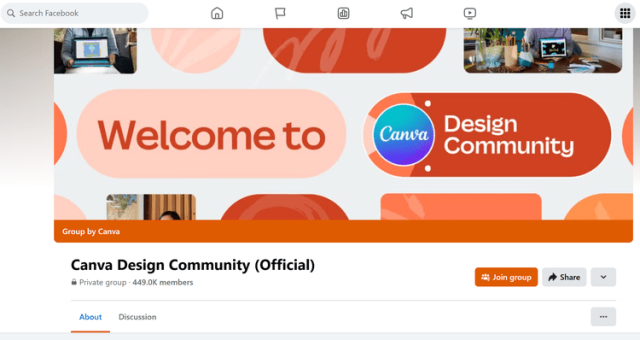
But Facebook Groups kept being a brand-owned “safe space” (e.g., Canva Design Community), marked as “Official”.
In 2018, TikTok came to the Western audience, and it was flooded with younger generations singing, dancing, and doing challenges. Brands? Nah, it was too risky. Too weird. Too Gen Z.
But next year, a few daring brands (like The Washington Post, Chipotle, and Fenty Beauty) started experimenting.
And guess what? Chipotle’s #GuacDance challenge in July 2019 was one of the first viral branded trends.
@brentrivera When guacamole is free @chipotle when you order online/in-app on July 31st😍 #GuacDance ad
2020–2022: The TikTok Takeover + Decentralization
Was it the pandemic or the TikTok magnetic power over younger generations, but since 2020, TikTok has definitely made its way to the most attractive platform for community creation.
Viral content became the way to connect with audiences — raw, funny, human. Brands had to adapt their social media community strategies fast or be left behind.
That year, many famous brand names, such as L’Oreal, Pepsi, NYX Professional Makeup, Warner Bros, Aldo, Netflix, and many others, created interactive communities on TikTok.
But TikTok was not just another social media platform. It was (and still is) a trend-based culture, flipping content from brand-led to user-led.
TikTok evolved beyond trends into niche communities (#SkinTok, #FinTok, #SmallBusinessTok), and brands started building content for communities, not just audiences.
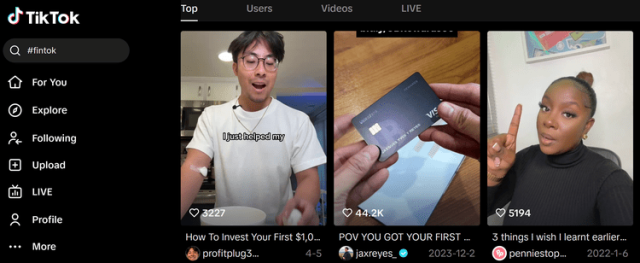
That was probably the first time you saw community managers appear in comments, perform skits, and react to user-generated content.
So, if we want to time-frame the shift that happened, we can say that it happened in this period.
2023–Now: The Hybrid Era – Community Everywhere
This shift influenced content strategy and social media marketing. Brands realized they needed both: owned community spaces (like an official Facebook group) and a presence in viral public spaces (like TikTok).
Keep Your Community Presence Active
Discover communities that are right for you with Mentionlytics, and let your brand voice be heard!
Other networks didn’t fall behind. Instagram DMs, Telegram, and WhatsApp groups become powerful micro-communities, especially for product drops and VIPs.
And we mustn’t forget LinkedIn, which has become surprisingly social, with B2B brands building strong professional communities.
What Does a Social Media Community Manager Do?
Social media community managers (CM) are in charge of all conversations on social platforms around their brand. Social community management services include:
- Engaging with followers in comments, DMs, and groups
- Building relationships with fans, users, and micro-influencers
- Starting discussions, answering questions, handling feedback
- Creating a safe, fun, or inspiring space for the audience to connect
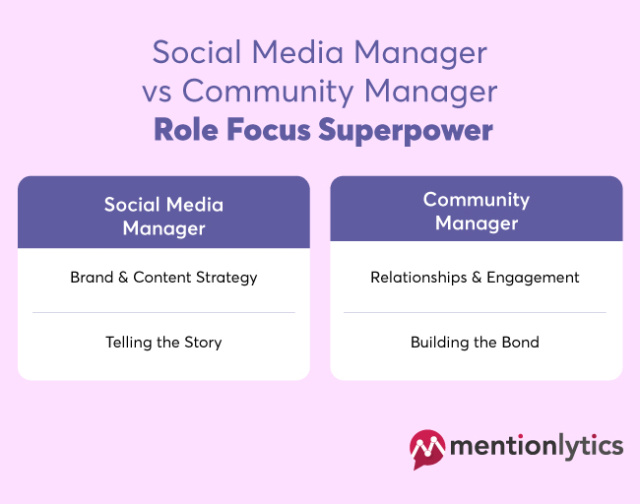
The main goal of this (nowadays) highly important role is to create a bond between the audience and the brand. Since conversation is a two-way street, CM needs to be able to connect with the audience, turn fans into advocates, gather feedback, and report it back to product or support teams.
Community Management vs Social Media Management Explained
Now, how does Community Management differ from Social Media Manager (SMM)? The main difference between these two roles is that a social media manager is focused on telling the brand’s story through social media content. That encompasses:
- Creating and scheduling a social media content calendar for various platforms
- Make sure all content posted fits the brand voice
- Analyzing performance
- Often running paid ads and coordinating with the marketing team
And no, it typically is not a one-man show. Though, for small businesses, it might be achievable with the help of social media management tools.
Why Community Management on Social Media Should Be Your Top Priority?
As you’ve probably noticed, the spotlight has shifted from traditional advertising to more subtle, story-driven ways of connecting with potential customers.
While spending loads of money for ads can have mixed results, building your brand organically — by telling a story, showing up consistently on social media, and becoming part of your audience’s daily lives — is not only more affordable but also far more sustainable.
The list of reasons doesn’t stop there.
- Algorithms reward conversations, not just content: The days of passive scrolling are slowly becoming history. Platforms like TikTok, Instagram, and LinkedIn now favor posts with active engagement — comments, shares, and conversations.
- Trust is the new currency: Audiences are skeptical of ads and brand-polished posts. They trust real people, authentic interactions, and peer recommendations.
- Retention first, reach second: It’s way more expensive to gain new customers than to keep loyal ones. Online community gives users a reason to stay, engage, and advocate.
- Customer service is now public: People don’t open tickets — they drop a comment or DM. If you’re not listening and responding, you’re losing customers and reputation.
- Communities drive innovation: Your followers are your best feedback loop. They tell you what’s working, what’s missing, and what they want next.
And loyalty? That’s earned one comment, one reply, and one shared laugh at a time.
5 Social Media Community Management Best Practices to Follow
Want to create the perfect community and keep the conversation going, but not sure how to do that? Here are five proven methods you can use to create a loyal community around your brand.
1. Do Social Media Monitoring Continuously
Since the brand’s focus is no longer on one channel or only on their official account, but has a more holistic approach, you can’t continuously watch all over the place.
And to be honest, sometimes (especially at the beginning), you don’t even know where to look. That’s why most brands use social media monitoring tools.
And it’s not just about tracking your mentions (tagged and untagged) but getting the full picture out of everything that’s going on online around your brand and your industry.
Community management on social media demands constant attention. Platforms evolve, audience preferences shift, and new trends can pop up overnight. You can’t track everything, but you can stay connected.
You need to track all your mentions, tagged and untagged. If you spot a spike in mentions, you know it needs your immediate attention.

It’s not necessarily bad, but you have to check it out and engage before the conversation cools off or escalates and becomes a PR issue.
If there are too many mentions (congratulations!), you’ll need to set a priority for which mention you’ll reply to first. Start with emotion analysis and reply to the angry ones — they’re the loudest, and turning them around earns serious trust points.
2. Answer All Your Comments & Brand Mentions (Even The Negative Ones)
Whatever the comment is — reply! That simple. Positive, negative, neutral, praise, or criticism, by replying to all of them, you build your online reputation and keep the conversation flowing.
Monitoring social media for negative mentions can save you a lot of time and money for crisis management. How?
First, when you leave a negative comment unanswered, you leave the door wide open for all other negative comments. This tends to have a snowball effect: something that started as just one comment can soon become a crisis.
Second, by not answering the negative mention, you give the impression that you either admit they are right or you don’t care. Neither one of these options is good for your brand.
When you engage with your audience and community, they know you care. So instead of just “seen”, make it meaningful, show the audience on social media that you care. See, for exampl,e how Sephora handles customer complaints below.

Source: X (Twitter)
3. Jump Early Into Online Discussions about Your Industry
Community management involves not only replying to users’ comments but also offering an expert opinion regarding industry-relevant topics. That’s how you create a buzz.
Finding discussions about your industry might not be the easiest task, especially for the latest ones. But with social media monitoring tools, such as Mentionlytics, you can easily do that by tracking industry-related keywords.
You’ll be informed every time there are new online discussions about the keywords you track. That enables you to jump early on into these discussions that have the most engagement (because they are, at the same time, the most visible to others).
For example, if you’re in the cosmetic industry, you might track terms like “skin barrier,” “retinol irritation,” or “clean beauty.”
Let’s say a Reddit thread suddenly starts blowing up with people asking, “Is clean beauty just marketing hype?” Your monitoring tool (hello, Mentionlytics) picks it up early.
You now have the perfect opportunity to jump in and offer a thoughtful, expert comment — or even turn it into your next social post: “Clean beauty: a trend or a trap? Here’s what we think.”
4. Create Conversation-Starting Posts
As valuable as comments are, the real magic lies in creating conversation-starting posts. But how do you do that? How do you craft content that doesn’t get ghosted by your audience? And where do you even begin when looking for inspiration?
There are a few proven paths:
1. Turn Pain Points Into Posts
Social media monitoring tools can help you understand your potential customers’ real thoughts, frustrations, and desires. Look for negative sentiment around trending topics, competitor brands, or industry gaps.
- Example: If you notice people complaining about how clunky your competitor’s onboarding process is, use that to start a conversation: “We asked users what they wish onboarding felt like — and here’s what they said…” This creates empathy, relatability, and engagement.
2. Website Feedback: Dig Into What People Aren’t Posting Publicly
Sometimes, the best inspiration is not on social media — it’s sitting quietly in your website’s feedback forms, exit surveys, or chat logs. This kind of feedback is often more honest and specific, especially from current users or leads who care enough to say something.
- Example: Let’s say you use a feedback button on your website, and a user writes, “I love the tool, but the constant notifications are starting to drive me crazy.” Boom — there’s your next post: “When do push notifications push too hard?” It’s relatable, it shows you’re listening, and it opens the door for others to share their experience, too.
The master of starting vivid conversations is Spotify, which knows the right way to inspire users to share their stories.
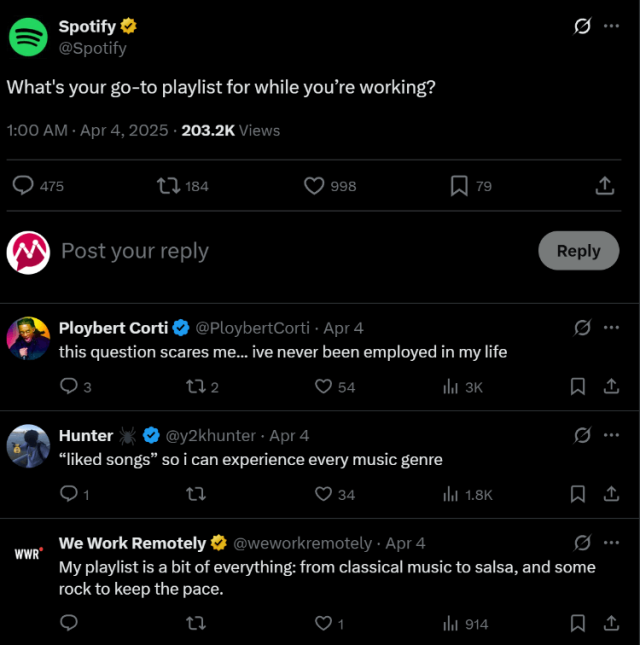
Source: X (Twitter)
5. Ditch Corporate Stiffness – Show Your Human Side
Gone are the days when “official” accounts had to sound… well, official. Young generations aren’t into that robotic, corporate tone, and even older audiences are starting to find it boring.
And if you think this only applies to TikTok or Instagram, think again. Even on LinkedIn — arguably the stiffest of all platforms — brands are dropping the corporate mask in favor of real, relatable voices.
Proof? Monzo Bank.
Check out their LinkedIn feed and compare it to their more traditional, buttoned-up competitors (like Starling Bank, for example). Who’s getting more attention, more engagement, and more love from their audience? This type of community management works!
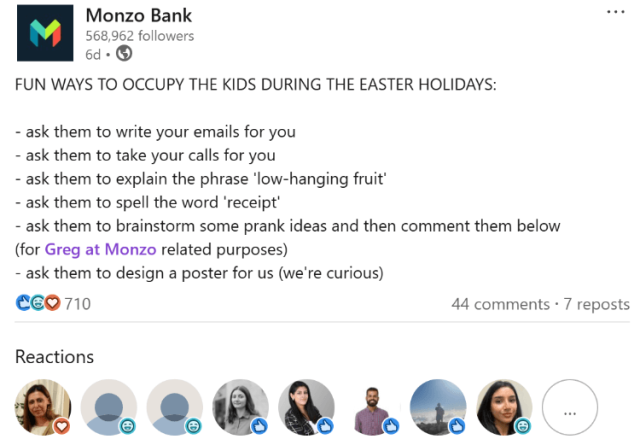
Source: LinkedIn
But it’s not only about marketing. This automatically reflects on finances and their business success. If you take a look at the numbers, you’ll see that the Monzo Bank had YoY revenue growth of 148% while Starling had only 51% in fiscal year 2024.
Monzo went one step further and launched a phantom (or maybe real) employee account: Greg at Monzo. Just one month in, Greg has over 14k followers. Why? Because people are hungry for content that feels human, witty, and real — not scripted by legal.
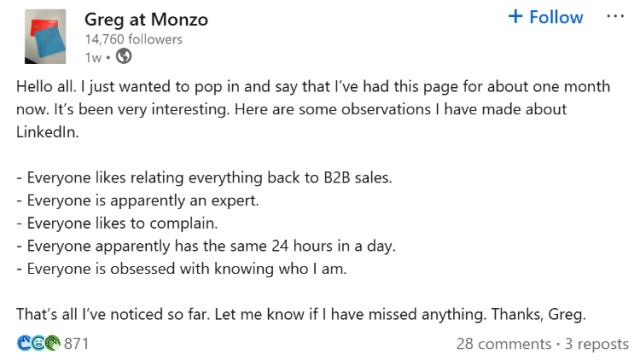
Source: LinkedIn
3 Essential Community Management Tools for Social Media
Community management is more than replying to comments — it’s about listening, planning, building spaces for connection, and creating a sense of community.
These three social media community management software solutions cover the full workflow: Mentionlytics for tracking conversations, Buffer for managing content, and Khoros for creating community spaces.
Mentionlytics – Your All-Ears Listening Assistant
Need your eyes and ears all over the Internet? This tool is a good start. Mentionlytics helps you track everything people are saying about your brand (even when they don’t tag you).
You can find real, unfiltered conversations across the web and social platforms.
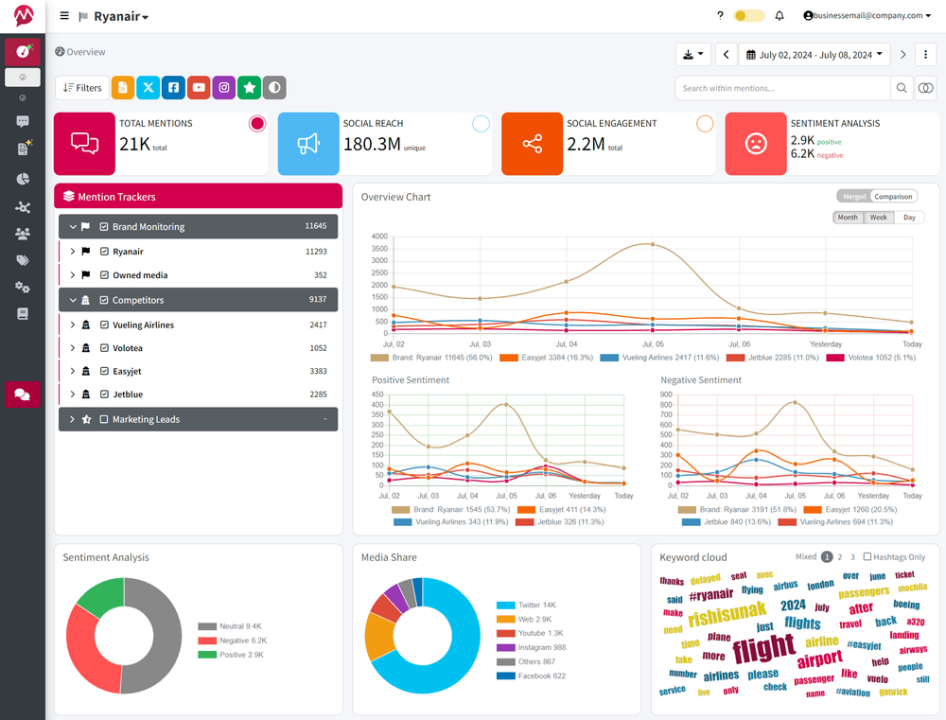
Use it for:
- Tracking tagged and untagged mentions of your brand, products, or team
- Identifying hot topics and trends in your niche
- Spotting negative sentiment and competitor complaints to inspire content creation or improvements
- Monitoring Share of Voice compared to competitors to benchmark
- Discovering influencers or recurring commenters engaging with your community
Buffer – Plan, Post, and Stay Consistent
Need something to schedule and publish social media posts across platforms? That’s where Buffer can help.
You can stay consistent, organized, and responsive — all without the chaos of logging into each platform manually.

Use it for:
- Scheduling content based on audience activity and time zones
- Organizing your content calendar with post previews and drafts
- Monitoring engagement (likes, comments, shares) in one dashboard
- Responding to comments quickly, without switching apps
- Testing different post formats and tracking what resonates with your community
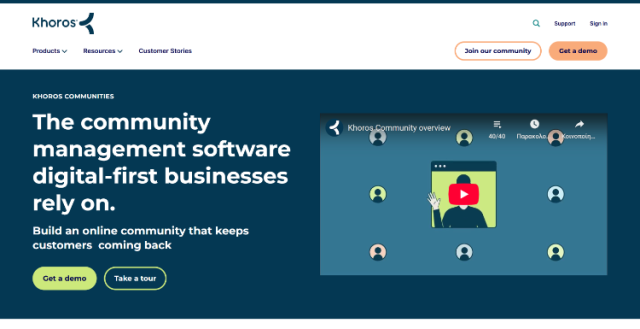
Khoros – Build a Home for Your Brand Community
If you want to create and manage your own branded community space, Khoros can help you do that — ideal for brands with growing audiences who want to move beyond just social feeds.
Use it for:
- Creating discussion forums or private community hubs for users
- Offering integrated customer support through the same platform
- Managing multiple social accounts and conversations at scale
- Hosting knowledge bases, product Q&A, or feedback boards
- Tracking detailed analytics on community engagement and growth
Manage Your Social Media Community Like a Boss
Most brands wait for people to tag them. Smart ones go where the real talk happens.
Whether it’s a spicy comment about a competitor or a missed opportunity you didn’t even know was yours, the conversation is already happening — with or without you.
That’s where social community management gets real. It’s not just replying to comments — it’s knowing what’s being said, where it’s being said, and jumping in before anyone even thinks to @ you.
So turn on your digital ears with Mentionlytics — for free. Your future community is already out there… probably complaining about a competitor. Go say hi!
FAQ
What is the Primary Goal of Community Management on Social Media?
The primary goal is to build a real connection with your audience — both potential and existing customers — while keeping the buzz alive around your brand. It’s not just about answering questions or dropping emojis in the comments; it’s about showing up consistently, creating meaningful interactions, and making people want to stick around.
What is the Process of Community Management?
Community management for social media is part art, part system. Here’s how it usually goes:
- Monitor – Use social media monitoring tools (like Mentionlytics) to track mentions, sentiment, and hot topics.
- Engage – Respond to comments, answer DMs, join conversations — even the unexpected ones.
- Create – Share content that resonates with your audience and starts discussions, not just likes.
- Moderate – Keep your space respectful and on-brand.
- Analyze – Track what’s working, what’s flopping, and adjust your tone or timing accordingly.
- Repeat – Because the community isn’t a one-time campaign. It’s a long game.
How Do I Build a Social Media Community?
Start by showing up — not just to talk but to listen. Join conversations your audience is already having.
Share content that feels human, not salesy. Ask questions, respond fast, and create posts that make people want to comment (and come back). Most importantly: be consistent. A community isn’t built overnight, but with the right energy and a little help from the right tools, it grows faster than you think.


