


“Ouch… $178 per lead with 0.3% conversion!” That hurts… but if you’re in insurance, loans, legal services, or B2B, you know the drill. Competitive industries have the highest CPC and a low win rate. But hey, the sales team wants leads, and what seems like a quick win is to spend your yearly budget in a split second and lean towards social media lead generation through ads.
Sure, ads will keep your sales team busy, but mostly with lukewarm leads that cost you the GDP of a small island nation.
But what if…you could generate leads that are warmer, cheaper, and actually looking for your product, without bidding wars or endless ad optimizations?
Now, I’m not saying that social media is not your go-to source; trust me, it is, just the way you get these leads should be slightly different and more efficient.
Here’s the thing: most marketers forget that people are already talking about their needs online. With social listening, you don’t chase leads; they’re practically raising their hands for you. There’s a whole pool of unexplored opportunities. All you need is a changed perspective, a bit of courage, an efficient social media lead gen strategy, and the right tool.
My goal in this article is to explore this different approach, show you how it works, and explain why social media platforms are a great source of potential leads for everyone. You can then decide whether it’s the right path for you or not.
Table of Contents
What is Lead Generation on Social Media?
Social media lead generation is the process of leveraging social platforms to find new leads that can potentially convert into customers. Different social media marketing strategies have different approaches to this type of lead generation, including:
- Paid social media advertising: Paid ads are the fast lane of lead generation; you pay, you get visibility. The catch is that costs can skyrocket in competitive industries, and quality isn’t always guaranteed. Great for reach and brand awareness, risky for ROI. Metadata’s 2023 research proved what some experts in the field have already talked about.
- Content marketing: Think blog posts, videos, carousels, or guides. Content marketing nurtures leads by showing expertise and value. It’s slower to convert but builds trust that often pays off more sustainably than ads. You’re not chasing leads with this type; you’re attracting them to come to you.
- Community building: Groups, forums, and brand communities create a two-way street. When people feel like they belong, they’re more likely to turn into loyal customers (and even advocates). Leads here are warm because they already want to be part of the conversation. You’re not a stranger to them.
- Influencer marketing: These are leads by association. You borrow credibility from influencers and ride on their audience’s trust. Done right, it shortens the “do I trust you?” phase of the funnel. Done wrong, it looks like a sponsored gimmick.
- Social listening: Instead of waiting for clicks, social listening helps you spot people already voicing the exact problems your product solves. This means less chasing, more connecting, and leads that are hotter than anything ads can buy.
But what most marketers overlook is social listening as a way for finding high-quality leads, without an extensive budget and ages of waiting for the right click to come to your landing page.
How does Social Media Engagement Help in Lead Generation?
Social media engagement boosts your visibility, whether it’s from a paid ad or an organic post. Every like, share, and comment is a small interaction that strengthens the bond between your brand and your audience.
They serve as mini conversations that warm up your prospects, making it much easier to turn attention into actual leads.
If you want to position your brand as a leader in your industry, there’s no better way than sharing advice and opinions on niche topics within forums and social communities. By showing up with expertise where your audience hangs out, you build credibility and trust, creating the perfect environment for high-quality leads to come to you.
As you can see, there are multiple benefits of social media engagement, and we can sum them up into four major ones:
- Builds trust: People are more likely to give you their email or book a demo if they’ve already interacted with your posts.
- Keeps your brand top of mind: Consistent interaction makes you the familiar name they think of when a need arises.
- Turns conversations into conversions: A reply in the comments or a quick answer in the DMs can move someone straight into your pipeline.
- Boosts organic reach: Platforms reward engagement by showing your content to more users (basically free exposure).
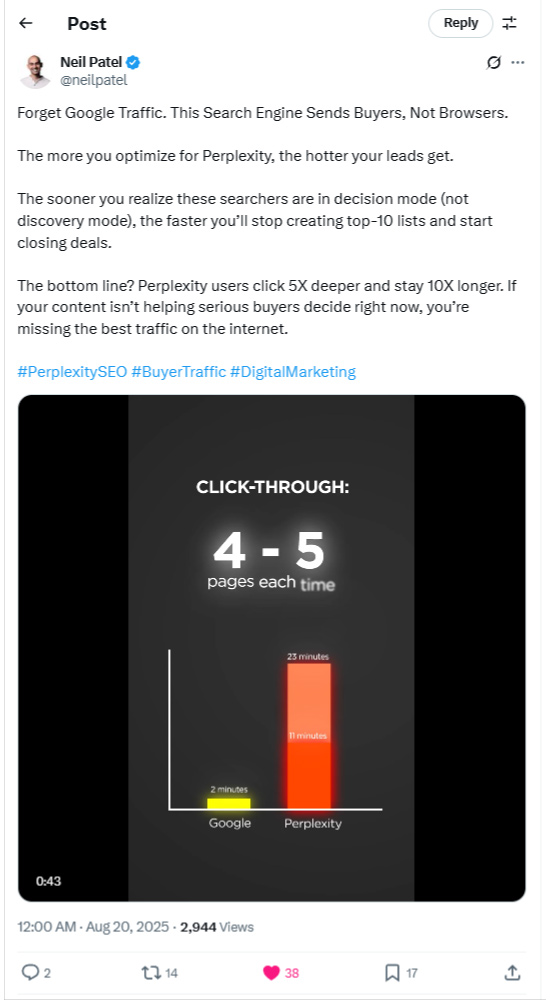
Bonus: Social media engagement doesn’t just help within the platforms; it feeds the signals that AI-driven search engines (like ChatGPT, Gemini, Perplexity) are starting to use to rank, recommend, and surface brands. And these are your hot leads.
6 Ways to do Social Media Lead Generation without Spending on Ads
If you’re looking for a budget-friendly option that generates leads on social media, you can opt for any of these six best practices (or all of them).
1. Engage in Real-Time with People Asking for Recommendations
How many times have you scrolled through X or Reddit and spotted posts like:
“What’s the best tool for XX?”
“Any recommendations for a good software that solves XX?”
Probably dozens. It’s human nature; before buying, we ask for advice. That’s why word of mouth is still the undisputed king of lead generation.
Now here’s the thing: these people are hot leads. They’re literally raising their hands, saying: “I have this problem, I’m ready for a solution.”
The trick is not to stumble upon these posts by accident, but to find them on purpose. You can use social listening tools for that. By tracking the right keywords, you’ll be notified every time someone talks about the pain points your product solves.
If you’re not sure how to do that, here’s a webinar that could be most beneficial. It explains the best methods for finding leads on social media, where to pay special attention for specific industries, and which keywords to track to bring better results.
Example:
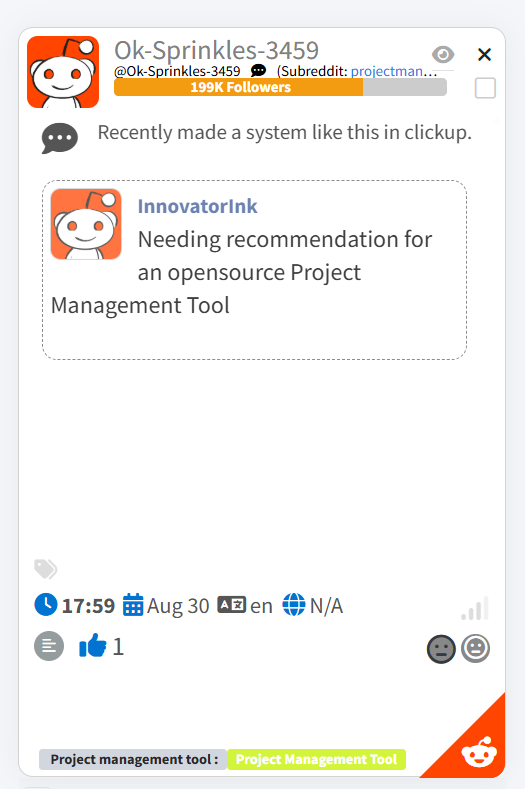
Let’s say you work for Monday.com (a project management platform). You could track keywords like “project management tool” or even “alternatives to (competitor name)” with your social listening tool. That way, you would be the first in line to join a conversation and possibly close a deal by discovering all online discussions about those keywords without manually searching Reddit.
For example, Mentionlytics detected a Reddit thread about project management tool recommendations that Monday.com could jump into.
2. Join and Contribute to Niche Communities
Want to make it easier for leads to approach you? Start chatting within niche communities, and on your industry-related topics. It will make your brand stand out and make you the leader of your small pack. When you go public and share insights, you’re building credibility and trust that makes buyers more likely to choose you later.
Now, I know what you’re thinking: “I don’t have time to chase conversations all day.” You don’t have to. That’s what social listening software is for. Monitor relevant industry keywords, and conversations will show up on your dashboard ready for you to join.
Example:
A marketing consultant tracks terms like “content strategy help” or “need social media plan” and gets alerts whenever those phrases appear in Facebook public group posts or Telegram public results. They respond with practical tips and offer a free consultation.
3. Share User-Generated Content (UGC) and Tag Contributors
User stories are gold. Sharing UGC tells your audience that real customers are so happy they want to talk about it, and it’s the best social proof you can have.
By reposting and tagging them, you’re not only saying “thank you,” you’re also encouraging more people to share their own stories.
Now, sometimes, the user will not tag you in their post, and without social listening, you won’t even know that there’s someone out there, sharing love for your brand. And who knows, perhaps in their comments are your hidden next sales leads, asking “Where can I buy it?”.
Discover Leads While They’re Hot
Let Mentionlytics scan social media in real time and surface the posts worth jumping on.
Example:
You’re a sustainable fashion brand that tracks brand mentions and hashtags like #ethicalfashion. When you find customers sharing outfit photos, you repost them (with permission) and tag the original creator. That way, you’re prompting more customers to do the same, expanding your reach organically and gathering more leads through social media.
4. Create Content That Solves Emerging Pain Points You Discover
Regardless of what your brand is selling, products or services, you know that people have always vented about their problems. Now, they do it publicly, pointing to pain points on social media.
Sometimes they’re complaining about your competitor; other times, they’re just lost and need help. Both are golden opportunities.
With social listening, you can detect these issues in real time and create content (or even product/service enhancements) that directly address them. That way, you capture leads while they’re still hot.
Move fast because your audience will Google it (or ask ChatGPT) within minutes. When they do, you want your content to be the answer that shows up.
Example:
Let’s say you work for a cybersecurity company that finds repeated concerns about “how to secure home networks” on LinkedIn discussions. You create a free checklist and share it in those threads, capturing emails from interested professionals.
5. Engage with Competitors’ Audiences
When you run social media ads, you’re basically bidding for the same eyeballs as your competitors, at premium prices. But here’s the smarter play: use competitor monitoring to spot conversations around their brand and products.
By tracking competitor mentions, hashtags, and content engagement, you’ll uncover leads who are already warmed up… just not satisfied. Maybe they’re frustrated with the product, complaining about pricing, or asking for alternatives. That’s your cue.
Now, don’t show up with mudslinging. Instead, join the conversation with a helpful, solution-first approach. You’ll build credibility while positioning your brand as the friendly alternative.
Example:
A project management SaaS notices users complaining about a competitor’s pricing on X. They reply (politely) with a tip about a free trial of their tool, without discrediting the competitor.
6. Turn Unlinked Brand Mentions into Lead Nurture Opportunities
Sometimes people talk about your brand without tagging you or linking to your website. That means they’re already aware of you, but you might never know unless you’re tracking those unlinked mentions. And hidden in those conversations are opportunities to step in, nurture trust, and eventually convert.
By monitoring unlinked brand mentions, you can:
- Spot advocates who are recommending you (and thank them publicly).
- Catch misunderstandings before they turn into reputation issues.
- Find curious prospects asking questions about your brand in someone else’s thread.
Instead of ignoring those ghost mentions, treat them like open doors. A friendly comment, a thank-you, or a resource link can warm up leads who are already in your orbit but just need that extra nudge.
Every unlinked mention is basically free word-of-mouth. Amplify it by joining the conversation and adding value, because the warmer the lead, the shorter the sales cycle.
Example:
A restaurant XYZ sees someone on Instagram say, “Been craving XYZ pizza all week” without tagging the business. They reply with a friendly comment and an invitation to a free tasting event.
What is the Best Social Media Platform for Lead Generation?
The best social media platform for lead generation? Simple: wherever your audience actually hangs out. The choice depends a lot on whether you’re B2B or B2C.
That said, let’s not pretend we all live double lives. Your LinkedIn crowd is also scrolling Instagram at midnight, and your TikTok-loving buyers may sneak onto LinkedIn during work hours. Not like we build a Berlin Wall between our business and private lives.
Professional and personal overlap more than we admit, so your lead gen strategy should acknowledge that.
Still, the numbers tell a clear story when it comes to social media usage: 83% of marketers use Facebook, followed by Instagram (79%), LinkedIn (69%), and YouTube (53%). TikTok (27%) and X (26%) take 5th and 6th place.
The report makes the split clear: B2C leans heavily on Meta’s duo (Facebook + Instagram), while B2B relies on Microsoft’s LinkedIn. The trick, of course, is knowing which mix matches your buyers best.
But here’s the plot twist: LinkedIn has held the crown for the fastest year-on-year growth in advertising reach, but lately, Reddit has taken the lead in quarter-on-quarter growth. That raises an interesting question: if Reddit keeps gaining ad traction, will marketers start shifting their budgets there?
Best Social Media Platform for Generating B2B Leads
So, if we check the statistics, we’ll find out that LinkedIn is the king when it comes to B2B lead generation. A 2023 study shows 80% of generated leads come from LinkedIn.
That’s impressive, but… I have to say that not every B2B business will find its leads on LinkedIn.
Take a B2B cosmetic supplier, for example. If you’re selling shampoos and treatments to salons, your audience isn’t hanging out on LinkedIn to shop for new brands. They’re on TikTok, Instagram, Facebook, and maybe YouTube, because that’s where salon owners and stylists look for inspiration and trends.
That’s why you can’t just generalize. Start by understanding your industry specifics and where your buyers actually spend their time. Only then can you focus your efforts (and budget) on the right platform.
Hint: Your B2B clients are probably hanging out where their B2C clients are. If they’re selling beauty services to end customers on Instagram or TikTok, chances are that’s where you’ll find them, too.
Don’t Just Follow the Herd to LinkedIn; Follow Your Buyers!
Before you spend a cent, see where your prospects hand out most with Mentionlytics.
And here’s a real-life example: I don’t have statistics for this one, but I do have a daughter who runs a small cosmetic salon. And guess what? She’s active on Instagram and TikTok, but she doesn’t even have a LinkedIn account. Her supplier found her on Instagram. Proof that industry specifics determine how to use social media for lead generation and which platform to turn to.

Best Social Media Platform for Generating B2C Leads
When it comes to B2C, the game shifts. Consumers hang out where they’re entertained, inspired, and influenced, so your lead generation strategy should follow their scrolling habits.
Facebook is still the go-to if you want a broad reach and strong targeting. It’s the digital town square, and chances are, your audience is there, no matter the industry, especially if you’re running a local business.
Instagram thrives on visuals and storytelling, making it perfect for lifestyle brands, beauty, fashion, food, and travel. Features like Stories, Reels, and shoppable posts turn casual browsers into buyers almost seamlessly.
TikTok has become the discovery engine for younger audiences. It’s where new brands go viral overnight, and where creative, authentic content translates into direct sales.
YouTube plays the long game. Tutorials, product demos, and reviews build trust and help prospects make confident buying decisions. If your product needs a little explaining or you want to show your expertise for the services your brand offers, YouTube is your best ally.
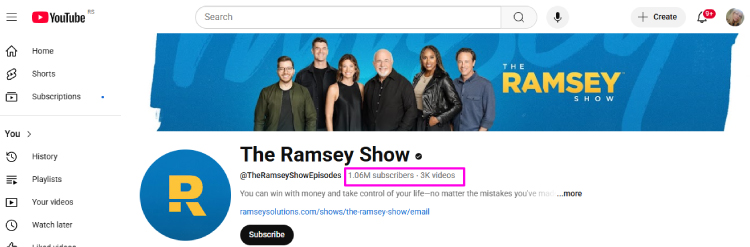
Look at Dave Ramsey and his YouTube channel. Pretty impressive numbers, huh?
And the big truth is: your target audience doesn’t live on just one platform. They might binge TikToks in the evening, check Facebook groups in the morning, and watch YouTube tutorials on weekends.
The best strategy isn’t picking one but knowing where their journey starts and showing up there first.
Generate Ready-to-Buy Leads from Social Media for Free
Social media is a powerhouse of lead generation, and the best thing is that not every lead requires a big ad budget. Some of the best, most ready-to-buy leads are already out there talking about their problems, asking for recommendations, or even praising your brand without tagging you.
All you need is the right lead-generation strategy and the right listening tool to catch them at the perfect moment. That’s the only way to see adequate results from your lead generation efforts.
Your next customer might be complaining about your competitor right now. Wanna hear it first? Try Mentionlytics for free and let the leads come to you.
FAQ
How to measure lead generation on social media?
To measure lead generation on social media, track the number of leads captured through forms, DMs, or sign-ups, and don’t stop there. Measure quality too by looking at conversion rates, cost per lead, and how many move further down your sales funnel.
How to use webinars to generate leads from social media?
Promote your webinar on social channels with a simple sign-up form. Offer value (not just a sales pitch), record it, and keep sharing snippets or replays. Webinars work as both lead magnets and nurture tools when repurposed smartly.
Is Instagram good for lead generation?
Absolutely, if your audience is there. With shoppable posts, Stories, Reels, and a culture built on discovery, Instagram is a natural lead gen machine for visual-first industries like fashion, beauty, food, and travel.

